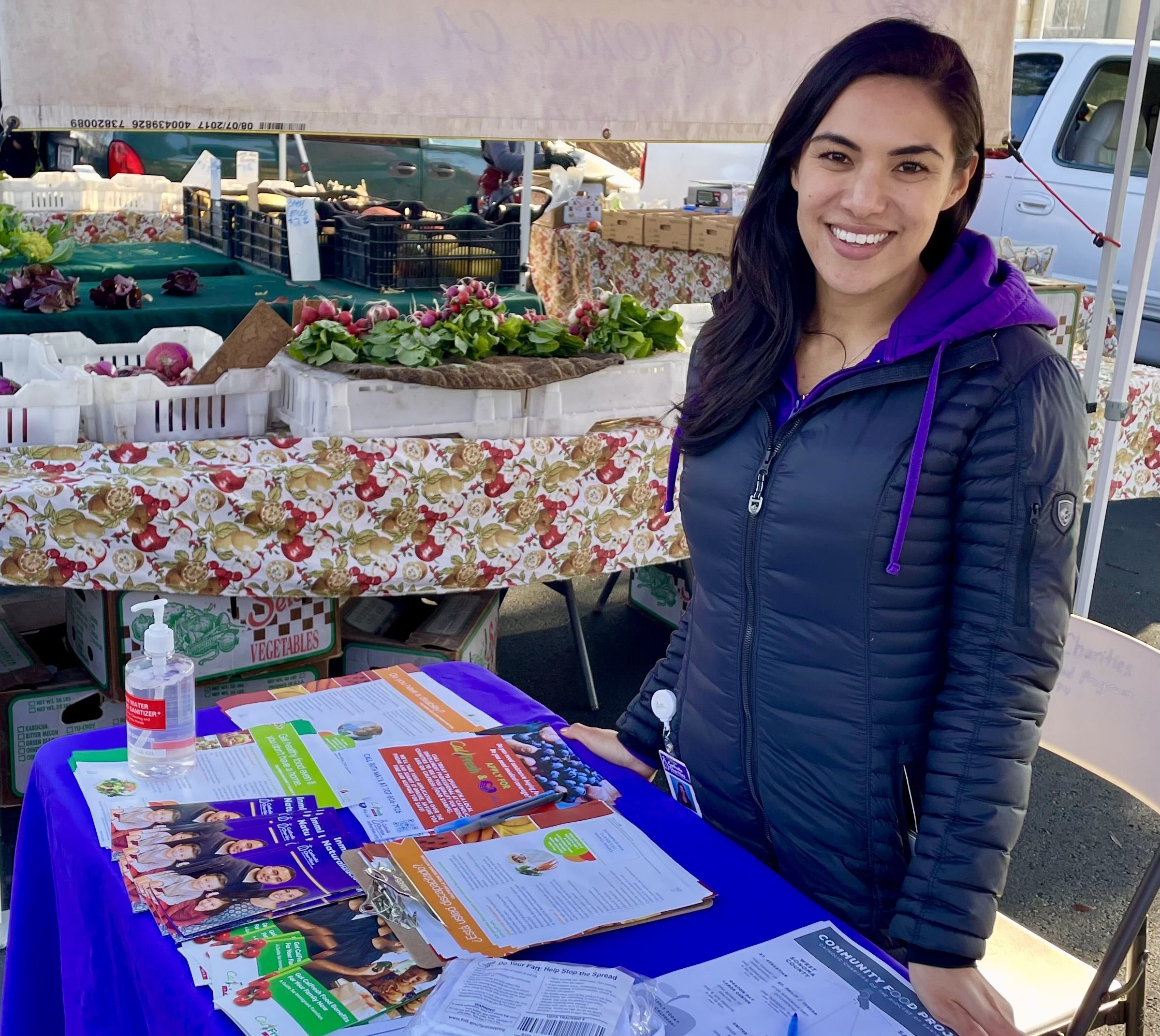
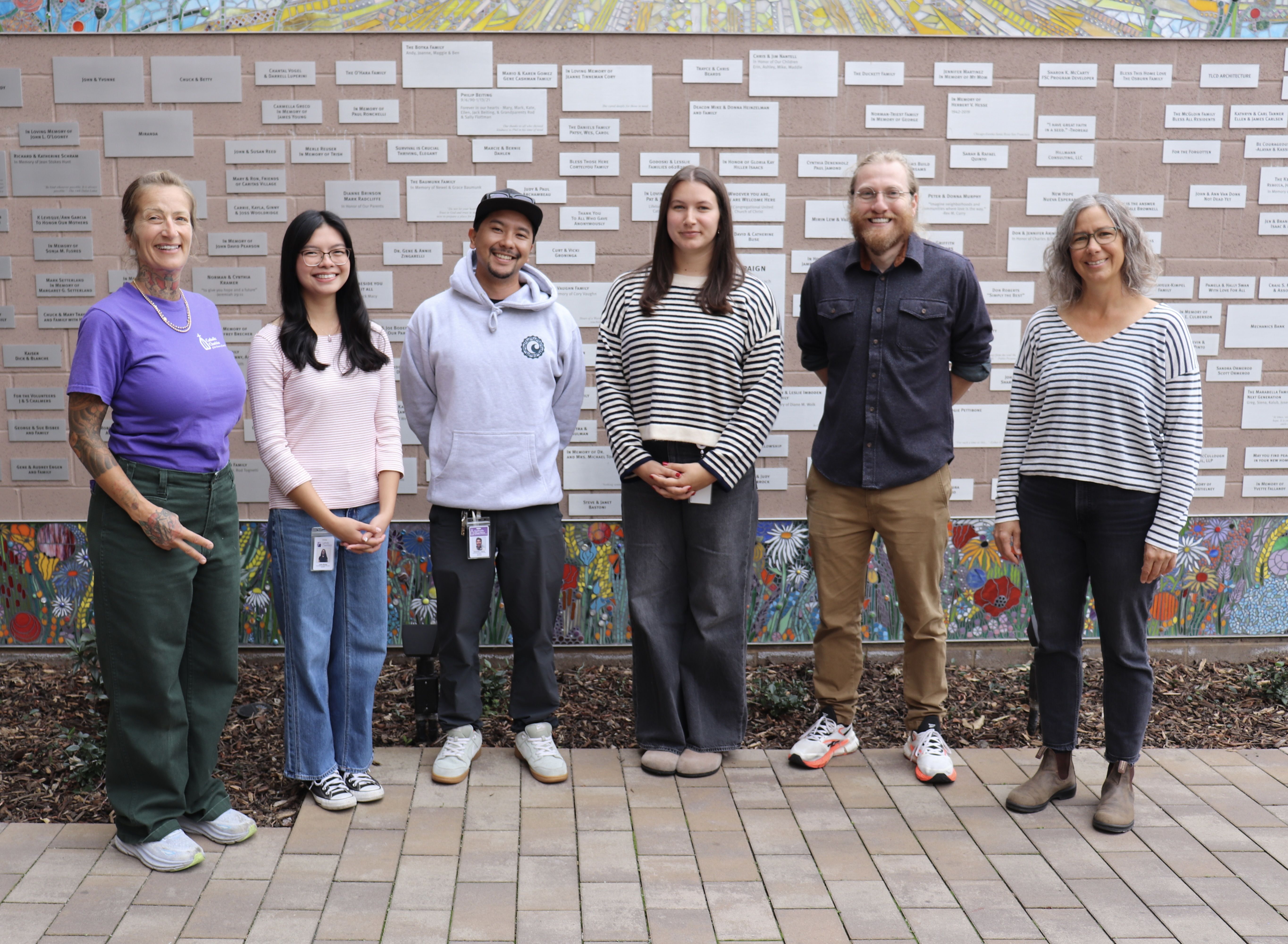
Catholic Charities of Northwest California’s Food Access and Nutrition Program builds long-term health improvements by addressing both immediate and root causes of food insecurity. By offering access to fresh healthy foods and providing nutrition education, the program empowers individuals and families to adopt sustainable lifestyle changes.
The program’s food distribution service has a profound impact on the communities it serves, including Santa Rosa, Sebastopol, Graton, Occidental, Middletown, and Kelseyville. At larger sites like Kelseyville and Middletown, the team prepares approximately 130 boxes of food, each containing enough food to feed multiple family members based on household size. This past 2024-2025 fiscal year, the program invested $29,320 in food distribution that leveraged $608,932 in value—every $1 became $21 in food on the table.
“Food distributions ensure that families have consistent access to nutritious foods, reducing the stress of food insecurity and allowing households to prioritize health. Many participants share that they’ve been able to prepare healthier meals and stretch their food budgets further thanks to the produce and pantry items they receive,” said Jake Stotlemeyer.
“The nutrition education component complements this by turning access into knowledge—helping participants understand how to use what they receive, minimize waste, and build confidence in the kitchen."
Jake mentioned how crucial these services are to the community and the ripple effects it would have if the services downsized or were dismantled. Without the services, food insecurity would soar, resulting in a surge in diet-related illnesses. Consequently, many local residents would have difficulties in obtaining access to fresh and affordable food, as well as the knowledge to prepare nutritious meals.
“We are a very bright light in some of our clients’ days. We provide free education and healthy food and meals, and we smile and laugh with our community while doing it. We serve as a bridge between short-term hunger relief and long-term health equity and education—helping families and individuals in our community thrive, not just survive,” said Jake.